以色列转述报道2026/6/26 10:45:46
德佩特里斯:美伊努力达成持久和平协议之际,以色列是最大变数
DePetris: Israel is the wild card as the US and Iran work to ink a lasting peace deal
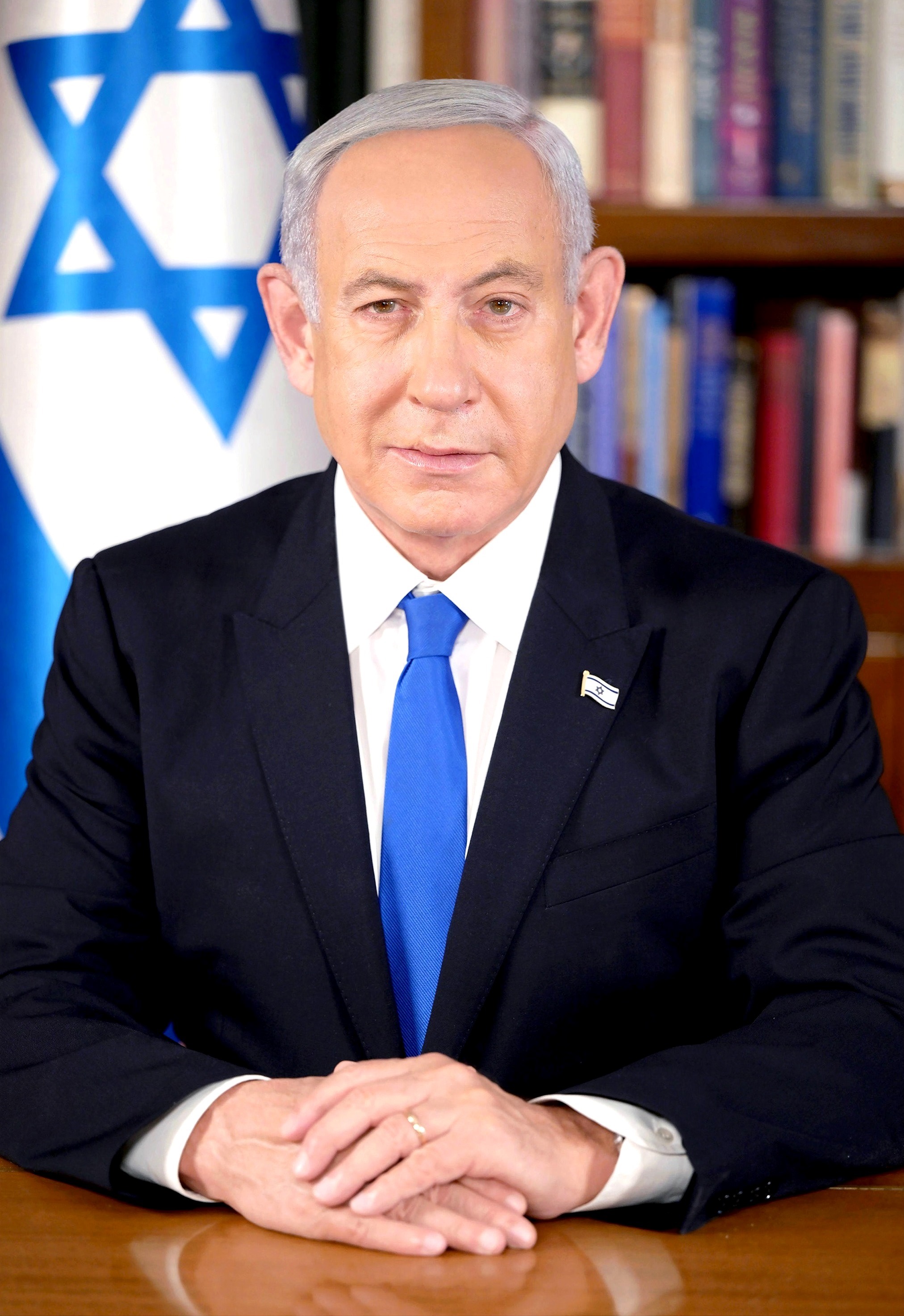
发言人:Benjamin Netanyahu
分析摘要
文章为评论分析,无直接引语;态度基于对各方立场的描述推断。
态度标签
战争态度略微反对/希望退出
谈判态度强烈支持
降级态度略微支持
军事行动略微反对/希望退出
核制裁信息不足
中文正文
白宫面临艰巨任务:让内塔尼亚胡与这项新外交协议保持一致
标题:
德佩特里斯:美伊努力达成持久和平协议之际,以色列是最大变数
摘要:
白宫面临艰巨任务:让内塔尼亚胡与这项新外交协议保持一致
正文:
如果执行不力或根本不存在,外交协议就只是一纸空文。因此,在美伊双方签署了一份几乎让华盛顿所有人都以某种方式厌恶的谅解备忘录几天后,两国官员再次回到谈判桌前,这并不令人意外。上周末,副总统JD·万斯飞往瑞士,与伊朗方面进行了为期数天的后续谈判。这次会晤启动了一个60天的时间框架,在此期间,美国与伊朗将寻求就伊朗核计划达成正式协议,以换取美国对伊朗经济的大范围制裁减免。万斯对结果相当满意。根据周一发布的一份联合声明,美伊双方同意进行进一步的技术谈判,成立了多个工作组,并建立了一个降级联络小组,以确保霍尔木兹海峡保持畅通,并遵守黎巴嫩单独的停火协议。正是最后一项最有可能颠覆谈判进程。自3月2日重启以来,黎巴嫩战争已造成超过4000人死亡。就其本身而言,这场战争与保持海峡畅通或结束华盛顿与德黑兰之间的冲突毫无关系。然而,实际上,两者紧密相连。伊朗方面坚持认为,要使谅解备忘录的其余部分得以推进,唐纳德·特朗普总统的政府必须施压以色列,结束其在黎巴嫩针对真主党的战争。这场战争已导致超过100万黎巴嫩人流离失所,并导致以色列占领了黎巴嫩境内约6英里宽的一片领土。
黎巴嫩难题
不幸的是,对白宫而言,事实证明结束黎巴嫩战争比结束波斯湾战争更为复杂。黎巴嫩的局势并不完全在华盛顿的控制之下——这并非因为美国没有影响力,而是因为交战方之一以色列认为,针对真主党的战争对其自身安全至关重要。自2023年10月8日(哈马斯在以色列南部发动致命袭击的次日)以来,以色列和真主党一直相互交火,此后冲突强度时高时低。多次停火协议达成又破裂。如果黎巴嫩的事态与他的伊朗和平协议无关,特朗普或许可以忽略或淡化那里的敌对行动。但他没有这个奢侈。此后数周,特朗普对以色列的军事战略感到沮丧,打电话斥责以色列总理本雅明·内塔尼亚胡行事不负责任,并警告以色列注意附带损害。这对内塔尼亚胡及其政府来说有些难以承受,他们被迫暂停在黎巴嫩的行动,尽管以色列并非谈判的直接参与方。伊朗谈判代表有效地拯救了伊朗在黎巴嫩的代理人,使其免遭进一步破坏,并在美以安全伙伴关系中注入了不和谐因素。德黑兰短期内不会放弃黎巴嫩问题;在周末的瑞士会谈中,伊朗官员明确表示,稳定以色列-真主党停火是其议程上的首要事项。特朗普现在基本上有责任让内塔尼亚胡保持合作,这说起来容易做起来难。尽管两人继续在公开场合坚称他们的个人和职业关系极佳,但观察人士清楚,他们在伊朗、黎巴嫩乃至整个中东问题上意见不一。尽管美国和以色列可能是强大的伙伴,但他们的利益从未完全一致。特朗普与伊朗达成的和平协议清楚地说明了这一点。随着冲突拖延超过白宫最初预测的四到六周,以及伊朗关闭霍尔木兹海峡以挤压全球能源供应,特朗普对重新打开石油阀门比实现他最初设定的任何最大化目标更感兴趣:摧毁德黑兰的核计划、限制伊朗的导弹计划、推翻政权,或以其他方式迫使伊朗屈服于美国的指令。寻找退出途径并阻止其支持率进一步下滑成为他最紧迫的两项优先事项,而这份谅解备忘录虽然算不上最令人印象深刻的协议,却帮助他实现了这两个目标。
国内反弹
然而,对以色列人来说,这份备忘录绝对是一场灾难。内塔尼亚胡内阁的成员以及一些知名以色列评论员,在过去几天里猛烈抨击特朗普的和平协议,称其是自1938年时任英国首相内维尔·张伯伦将部分旧捷克斯洛伐克拱手让给阿道夫·希特勒以来,最明目张胆的绥靖行为之一。以色列在伊朗问题上的任何自身目标都未通过该备忘录实现,而内塔尼亚胡的政治对手——他们正在为今年秋天的选举做准备——利用这一结果将总理描绘成特朗普的走狗。耶路撒冷希伯来大学的一项民意调查发现,高达92%的受访以色列人认为伊朗赢得了战争,并且大多数人强烈主张以色列继续在黎巴嫩进行军事行动。这使内塔尼亚胡处于极其困难的境地,尽管他以前也曾应对过此类困境,但很难看出他现在如何能摆脱困境。如果执行特朗普的协议并避免进一步攻击真主党,那么来自本已在2023年10月7日哈马斯袭击之前就持鹰派立场的选民的国内批评将进一步加剧。如果无视协议,仿佛停火可有可无,那么内塔尼亚胡肯定会与特朗普发生正面冲突,后者是向以色列提供了大量防御性军事装备的国家的总司令。特朗普常被描述为终极变数。然而,在这种情况下,变数是比比·内塔尼亚胡。
丹尼尔·德佩特里斯是国防优先事项研究员和《芝加哥论坛报》外交事务专栏作家。©2026 芝加哥论坛报。由论坛内容代理机构发行。
英文原文来源
DePetris: Israel is the wild card as the US and Iran work to ink a lasting peace deal
The White House faces a tough task in keeping Netanyahu aligned with this new diplomatic agreement
来源:The Mercury News打开原文链接 →
展开英文全文
TITLE:
DePetris: Israel is the wild card as the US and Iran work to ink a lasting peace deal

DESCRIPTION:
The White House faces a tough task in keeping Netanyahu aligned with this new diplomatic agreement

CONTENT:
A diplomatic agreement isn’t worth the paper it’s written on if implementation is shoddy or nonexistent. So it should come as no surprise that U.S. and Iranian officials were back at it again days after the sides signed a memorandum of understanding that virtually everybody in Washington hates in one way or another. This past weekend, Vice President JD Vance flew to Switzerland for several days of follow-on negotiations with the Iranians. The sit-down kick-started a 60-day time frame during which the United States and Iran will seek to clinch a formal agreement on the latter’s nuclear program in exchange for broad U.S. sanctions relief for the Iranian economy. Vance was reasonably pleased with the outcome. According to a joint statement released on Monday, the U.S. and Iran agreed to further technical talks, created several working groups and established a de-escalation cell to ensure that the Strait of Hormuz remains open and the separate ceasefire in Lebanon is adhered to. It’s that last item that has the most potential to upend the negotiations. On its own, the war in Lebanon, which has killed more than 4,000 people since it restarted on March 2, has nothing to do with keeping the strait functional or ending the conflict between Washington and Tehran. Yet as a practical matter, the two are very much connected. The Iranians insisted that for the rest of the memorandum of understanding to proceed, President Donald Trump’s administration must press Israel to end its war against Hezbollah in Lebanon, which has uprooted more than 1 million Lebanese from their homes and resulted in an Israeli occupation of a band of Lebanese territory roughly 6 miles into the country. Lebanon complication Unfortunately for the White House, ending the war in Lebanon is proving to be an even more complicated endeavor than ending the war in the Persian Gulf. The situation in Lebanon is not firmly in Washington’s control — not because it doesn’t have any influence but rather because one of the combatants, Israel, views the war against Hezbollah as vital for its own security. Israel and Hezbollah have been shooting at each other since Oct. 8, 2023, the day after the deadly Hamas assault in southern Israel, and have continued with varying degrees of intensity ever since. Multiple ceasefires have come and gone. If events in Lebanon weren’t attached to his Iran peace deal, perhaps Trump could ignore or downplay the hostilities there. He doesn’t have that luxury. In the weeks since, Trump has grown frustrated with Israel’s military strategy, gotten on the phone to yell at Israeli Prime Minister Benjamin Netanyahu for acting irresponsibly and warned the Israelis about collateral damage. This is all a bit much for Netanyahu and his government, who were forced to suspend operations in Lebanon even though Israel wasn’t a direct participant in the negotiations. Iran’s negotiators have effectively saved Iran’s Lebanese proxy from further destruction and injected a dose of disunity in the U.S.-Israel security partnership. Tehran is not going to drop the Lebanon issue anytime soon; during the weekend talks in Switzerland, Iranian officials made it clear that stabilizing the Israel-Hezbollah truce was the first item on its agenda. Trump is now essentially responsible for keeping Netanyahu onside, which is easier said than done. Despite the two men continuing to insist in public that their personal and professional relationships are excellent, it’s clear to observers that they don’t see eye to eye on Iran, Lebanon or the Middle East at large. Although the United States and Israel might be strong partners, their interests have never been perfectly aligned. The peace accord Trump struck with Iran clearly illustrates this. As the conflict dragged on past the four to six weeks the White House originally predicted and as Iran shut down the Strait of Hormuz to squeeze global energy supplies, Trump grew more interested in turning the oil spigot back on than meeting any of the maximalist objectives he originally set out to achieve: destroying Tehran’s nuclear program, capping Iran’s missile program, overthrowing the regime and otherwise compelling the Iranians to submit to American diktats. Finding an exit ramp and stopping his approval ratings from dropping further became his two most urgent priorities, and the memorandum of understanding, although hardly the most impressive agreement, helped him do both. Domestic backlash For the Israelis, though, the memorandum is an absolute disaster. Members of Netanyahu’s cabinet, as well as some high-profile Israeli commentators, have spent the last few days blasting Trump’s peace deal as one of the most blatant acts of appeasement since then-British Prime Minister Neville Chamberlain gifted part of the old Czechoslovakia to Adolf Hitler in 1938. None of Israel’s own goals in Iran have been accomplished through the memorandum, and Netanyahu’s political opponents, who are gearing up for an election this fall, have used the result to paint the prime minister as Trump’s lap dog. A poll by Hebrew University in Jerusalem found that an astounding 92% of Israelis surveyed believed Iran won the war, and a majority strongly advocate for continued Israeli military operations in Lebanon. This puts Netanyahu is an extremely difficult spot, and while he’s weathered these kinds of dilemmas before, it’s difficult to see how he can wriggle out of them now. Implement Trump’s deal and refrain from further attacks on Hezbollah, and the domestic criticism will further compound from an electorate that was already hawkish well before Hamas’ Oct. 7, 2023, attacks. Defy the deal as if the ceasefire is optional, and Netanyahu is certain to run headfirst into a confrontation with Trump, the commander in chief of a country that has sent a significant amount of defensive military equipment to Israel. Trump is often categorized as the ultimate wild card. In this scenario, though, it’s Bibi Netanyahu. Daniel DePetris is a fellow at Defense Priorities and a foreign affairs columnist for the Chicago Tribune. ©2026 Chicago Tribune. Distributed by Tribune Content Agency.